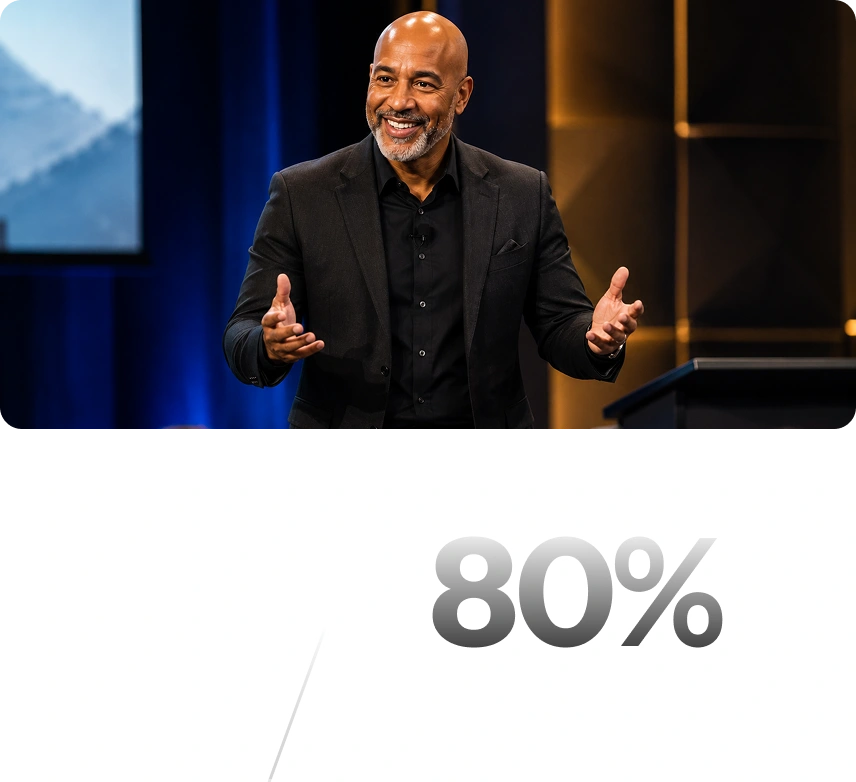
The Hardest Part Of Leadership Isn’t Getting There.

It’s continuing to grow once you do.
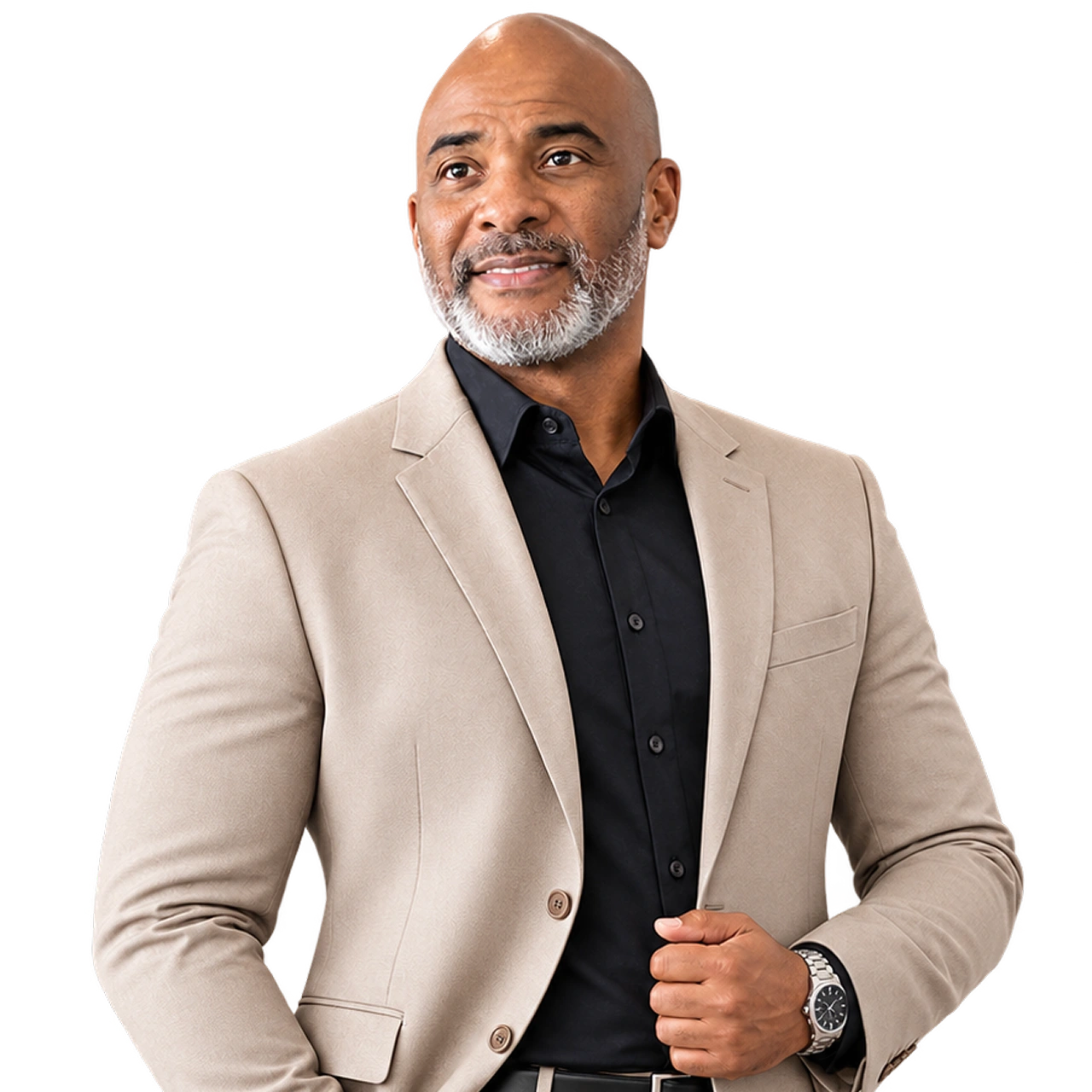

Leadership Changes You.

As responsibilities expand, expectations rise, decisions become more consequential, and the margin for error grows smaller. At the same time, honest feedback becomes harder to find, trusted confidants become fewer, and the demands on your time and attention continue to increase.

What made you successful in one chapter of your career may not be what is required in the next.

I advise senior leaders, CEOs, and executives as they navigate increasing complexity, strengthen clarity, make better people decisions, and continue growing into the leader their next chapter requires.

Let's Discuss Your Next Leadership Chapter

“Information informs. Know-how transforms.”

Lonnie Brewer

Information Is Abundant. Clarity Is Rare.

  • Today's leaders are surrounded by information.
  • Leadership books.
  • Podcasts.
  • Artificial intelligence.
  • Assessments.
  • 360° feedback.
  • Mentors.
  • Board expectations.
  • Competing priorities.
  • Organizational politics.
  • The challenge isn't access to information.
  • The challenge is knowing what matters, what doesn't, and how to translate information into practical leadership.
  • People rarely need more information.
  • They need someone they trust to help them understand what the information means.
  • That is where my work begins.

Leadership Drift™

Leadership rarely changes overnight.
It happens gradually.
Increasing responsibility.
Competing priorities
Decision fatigue.
Reduced feedback.
Constant urgency.

Without intentional reflection and disciplined habits, even exceptional leaders can slowly drift away  from the leadership they aspire to become.

Leadership Drift™ isn't a character issue. It's often the natural consequence of increasing  complexity without intentional structure.

My role is to help leaders recognize drift early, regain clarity, and build the habits that sustain long-term  effectiveness.
State Shapes Strategy™

Leadership decisions are only as good as the state from which they are made.

When leaders become overwhelmed, exhausted, frustrated, or emotionally reactive, decision quality naturally declines.

Understanding what is happening neurologically creates choice.

Now that leaders understand what's happening, they can choose differently.

Through practical neuroscience, self-awareness, emotional regulation, and intentional reflection, leaders learn to recognize these moments, regain perspective, and make better decisions when the stakes are highest.

The goal isn't perfection.

It's building the awareness and discipline to consistently lead from your

best thinking.

Process Precedes Performance

  1. Goals matter.
  2. They provide direction.
  3. Process determines whether we arrive.
  4. One of the core principles that guides my work is surprisingly simple.
  5. Approximately 20% of our conversations focus on goals.
  6. The remaining 80% focus on process.
  7. Because goals establish direction.
  8. Process determines whether we arrive.
  9. The stronger the process becomes, the more consistently outcomes improve.
  10. Leaders often become consumed by outcomes.
  11. I help them become disciplined about process.

You don't rise to the level of your goals. You fall to the level of your training.

Jim Rohn

What Leaders Gain

  • Clients don't simply leave with advice.
  • They leave thinking differently.
  • They develop greater self-awareness.
  • Stronger judgment.
  • More intentional habits.
  • Greater confidence.
  • Better decision-making.
  • A practical understanding of the neuroscience behind leadership and performance.
  • Most importantly, they develop the ability to continue growing long after the engagement has ended.
  • They don't simply leave with more information.
  • They leave with greater understanding.
  • And understanding changes decisions.
  • Because my objective is never to create dependence.
  • It is to help leaders become increasingly capable of leading themselves and others.

My Perspective

  1. Throughout my career, I've observed that exceptional leaders share one characteristic.
  2. They are deeply self-aware.
  3. They understand themselves.
  4. They actively seek to understand how they are experienced by others.
  5. And they intentionally calibrate the gap between the two.
  6. Because leadership is shaped not only by intention...but by reputation.
  7. Leadership growth begins with awareness.
  8. Leadership excellence requires intentional action.

We are what we repeatedly do. Excellence, then, is not an act, but a habit.

Aristotle

The best leaders never stop growing.

Neither should the conversations that help shape them.